
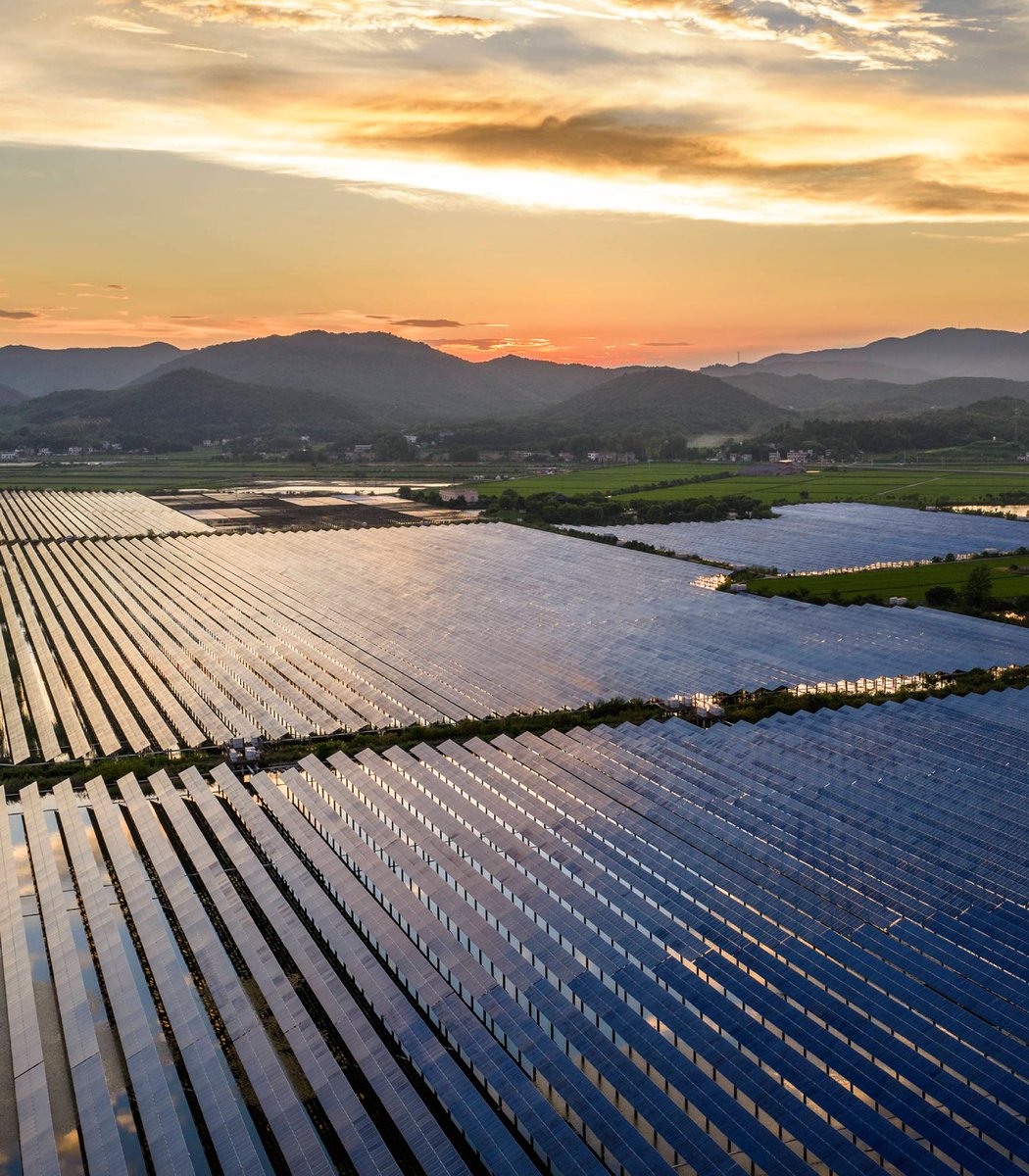
India’s solar power capacity has surged from 2.82 GW in 2014 to 175 GW in October 2026. Explore the growth drivers, major solar parks and BRESE 2026 highlights.
India’s solar power capacity has expanded nearly 62-fold over the past decade, rising from just 2.82 GW in 2014 to around 175 GW as of October 31, 2026, making solar energy the largest contributor to the country’s renewable energy capacity.
The rapid expansion reflects sustained policy support, infrastructure development, domestic manufacturing growth and increasing participation by households and farmers. Government initiatives covering large solar parks, rooftop installations and solar-powered agricultural pumps have helped accelerate the deployment of solar energy across the country.
India’s growing renewable energy ambitions were showcased at the Bharat Renewable Energy Summit & Expo (BRESE) 2026, which brought together policymakers, industry leaders, investors and researchers to explore opportunities for cooperation, investment and innovation in clean energy.
Held from November 2 to 5 at Bharat Mandapam in New Delhi under the theme ‘Invest. Innovate. Inspire.’, BRESE 2026 attracted participants from more than 130 countries. The event was organised alongside the 9th International Solar Alliance (ISA) Assembly and the 4th International Conference on Green Hydrogen.
The summit featured high-level discussions, ministerial meetings, business engagements and an exhibition involving more than 400 organisations. Thirteen states participated as Partner States, showcasing their renewable energy potential and investment opportunities.
The event also recognised winners of the Bharat Renewable Energy Hackathon 2026, which focused on developing solutions to ten real-world challenges in the renewable energy sector.
India’s solar expansion has also strengthened its position in the global renewable energy market. The country added around 37 GW of solar capacity in 2025, surpassing the United States in annual additions and emerging as the world’s second-largest solar growth market.
A decade of solar expansion
A supportive policy framework has played a central role in India’s solar transformation. The National Solar Mission, launched in 2010, laid the foundation for large-scale solar adoption. This was followed by initiatives such as the Solar Parks Scheme, the Green Energy Corridor Programme and competitive bidding mechanisms, which helped attract investment and bring down project costs.
The development of dedicated solar parks has enabled large-scale projects by providing land and supporting infrastructure, while grid modernisation initiatives have helped integrate renewable energy into the electricity network.
Rooftop solar programmes and solarisation of agricultural pumps have further broadened the reach of solar power beyond utility-scale projects.
Solar capacity across India
Solar power deployment has expanded across different geographical regions and climatic zones, with Rajasthan, Gujarat, Karnataka, Tamil Nadu, Andhra Pradesh and Maharashtra accounting for significant shares of installed capacity.
Large-scale solar projects, including the solar component of hybrid projects, account for around 133 GW of installed capacity. Some of the country’s major installations include Bhadla Solar Park in Rajasthan, Pavagada Solar Park in Karnataka, Ananthapuramu and Kurnool Solar Parks in Andhra Pradesh, and Rewa Ultra Mega Solar Park in Madhya Pradesh.
Grid-connected rooftop solar systems contribute another 34.97 GW, while the remaining capacity comes from off-grid solar installations.
Hybrid projects combine solar power with battery storage or other energy sources to improve the reliability of renewable electricity supply. Off-grid systems, meanwhile, provide electricity in locations that are not connected to the conventional power grid.
The expansion of utility-scale, rooftop and off-grid installations highlights the growing diversity of India’s solar ecosystem and its increasing importance in the country’s clean energy transition.
 Energy News
 deepakupadhyaya@gmail.com