
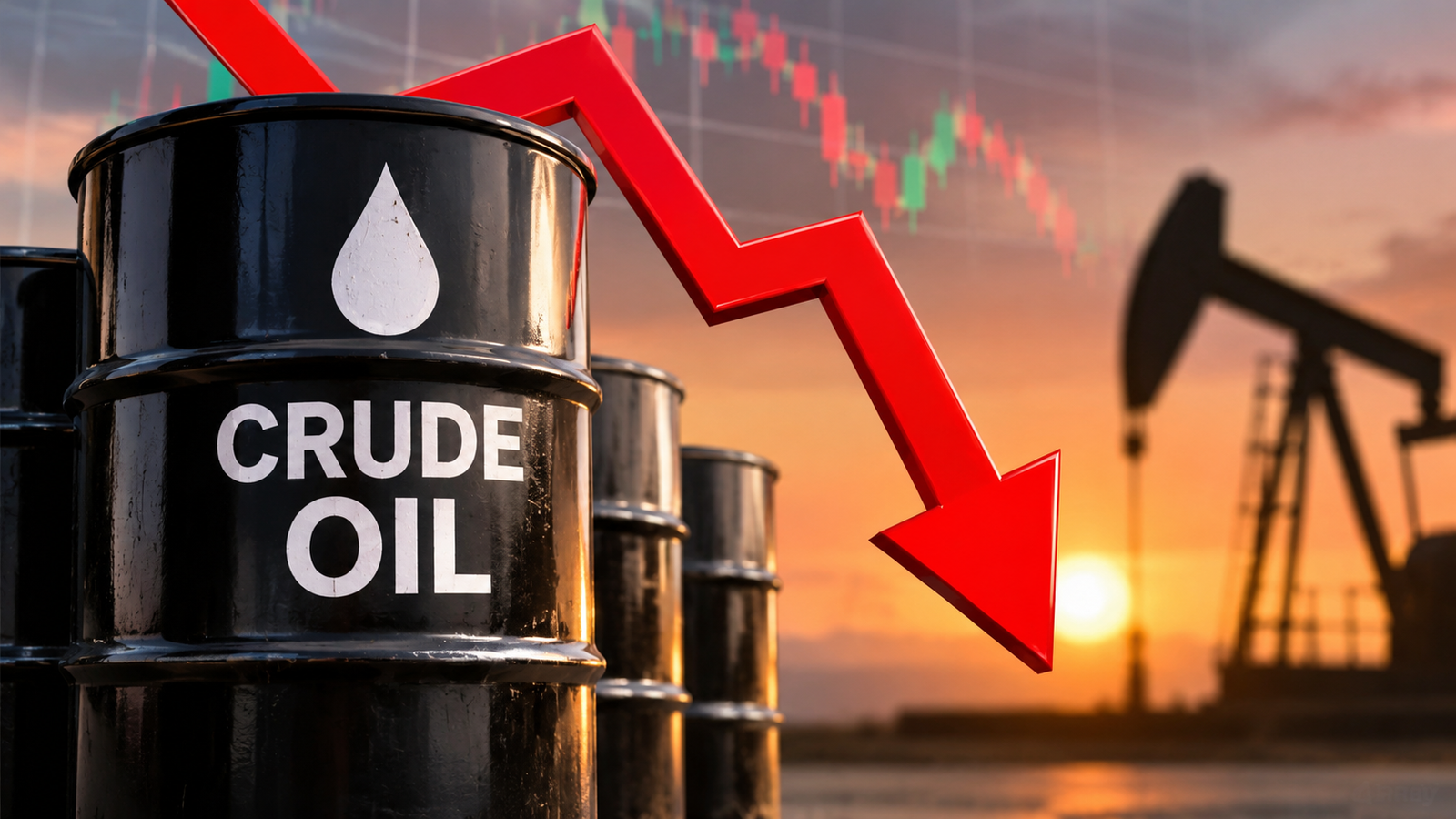
Global crude oil prices declined on Thursday, November 12, as Brent crude slipped below $92 per barrel. Growing hopes of diplomatic progress between the United States and Iran, alongside renewed efforts to end the Russia-Ukraine war, eased concerns over potential disruptions to global oil supplies.
The decline reflects improving market sentiment as traders assess the possibility of reduced geopolitical tensions and increased crude oil availability.
US-Iran and Russia-Ukraine Peace Hopes Weigh on Oil Prices
Expectations of diplomatic progress between major geopolitical players have emerged as an important factor influencing crude oil prices.
Representatives of Russia and Ukraine held two days of discussions in Abu Dhabi under US mediation. The talks resulted in an agreement on a major prisoner exchange, although significant differences remain over territorial control and other key issues.
Meanwhile, expectations of possible diplomatic engagement between Washington and Tehran have also contributed to a more cautious outlook in the oil market.
Any meaningful progress in US-Iran negotiations could reduce concerns about potential disruptions to oil supplies from the Middle East, one of the world’s most important energy-producing regions.
Rising OPEC Production Adds Pressure on Prices
Apart from geopolitical developments, rising crude oil production is another factor weighing on international prices.
Key developments include:
- OPEC+ Production: October crude oil output increased, with Saudi Arabia accounting for a significant share of the rise.
- US Crude Inventories: According to American Petroleum Institute (API) estimates, US crude oil inventories increased by approximately 9 million barrels last week.
- Global Supply: Higher production and rising inventories have strengthened expectations of improved crude oil availability.
These developments are adding to concerns that global oil supply could remain relatively comfortable despite continuing geopolitical uncertainties.
Strait of Hormuz Remains a Key Risk
Despite the recent decline in crude oil prices, the Strait of Hormuz remains a major concern for global energy markets.
The strategic waterway is one of the world’s most important oil transportation routes. Any military escalation or disruption to shipping activity in the region could significantly affect international crude oil supplies.
Market participants are therefore closely monitoring developments in the Middle East, as any fresh tensions could quickly reverse the recent downward trend in oil prices.
What Does Falling Crude Oil Mean for India?
India is one of the world’s largest crude oil importers and depends heavily on overseas supplies to meet its energy requirements.
A sustained decline in international crude oil prices could provide several economic benefits for India.
1. Lower Oil Import Bill
Cheaper crude oil could reduce India’s overall petroleum import expenditure and help improve the country’s trade balance.
2. Relief from Inflationary Pressure
Lower crude oil prices can reduce transportation, logistics and manufacturing costs, potentially easing inflationary pressures.
3. Support for the Indian Rupee
A lower import bill could reduce demand for US dollars, potentially supporting the Indian currency.
4. Benefits for Oil Marketing Companies
Lower crude procurement costs could improve the marketing margins of Indian oil companies, depending on domestic fuel pricing and refining economics.
However, a decline in international crude oil prices does not automatically translate into immediate reductions in petrol and diesel prices in India. Domestic fuel prices also depend on taxation, exchange rates, refining costs and government policies.
Crude Oil Price Outlook: What Should Investors Watch?
The direction of international crude oil prices in the coming days will largely depend on three factors:
- Progress in diplomatic negotiations between the United States and Iran.
- Developments in Russia-Ukraine peace efforts.
- OPEC+ production decisions and changes in US crude oil inventories.
For now, easing geopolitical concerns and rising supply expectations are putting downward pressure on oil prices. However, uncertainties surrounding the Middle East and the Strait of Hormuz could continue to create volatility.
 Energy News