
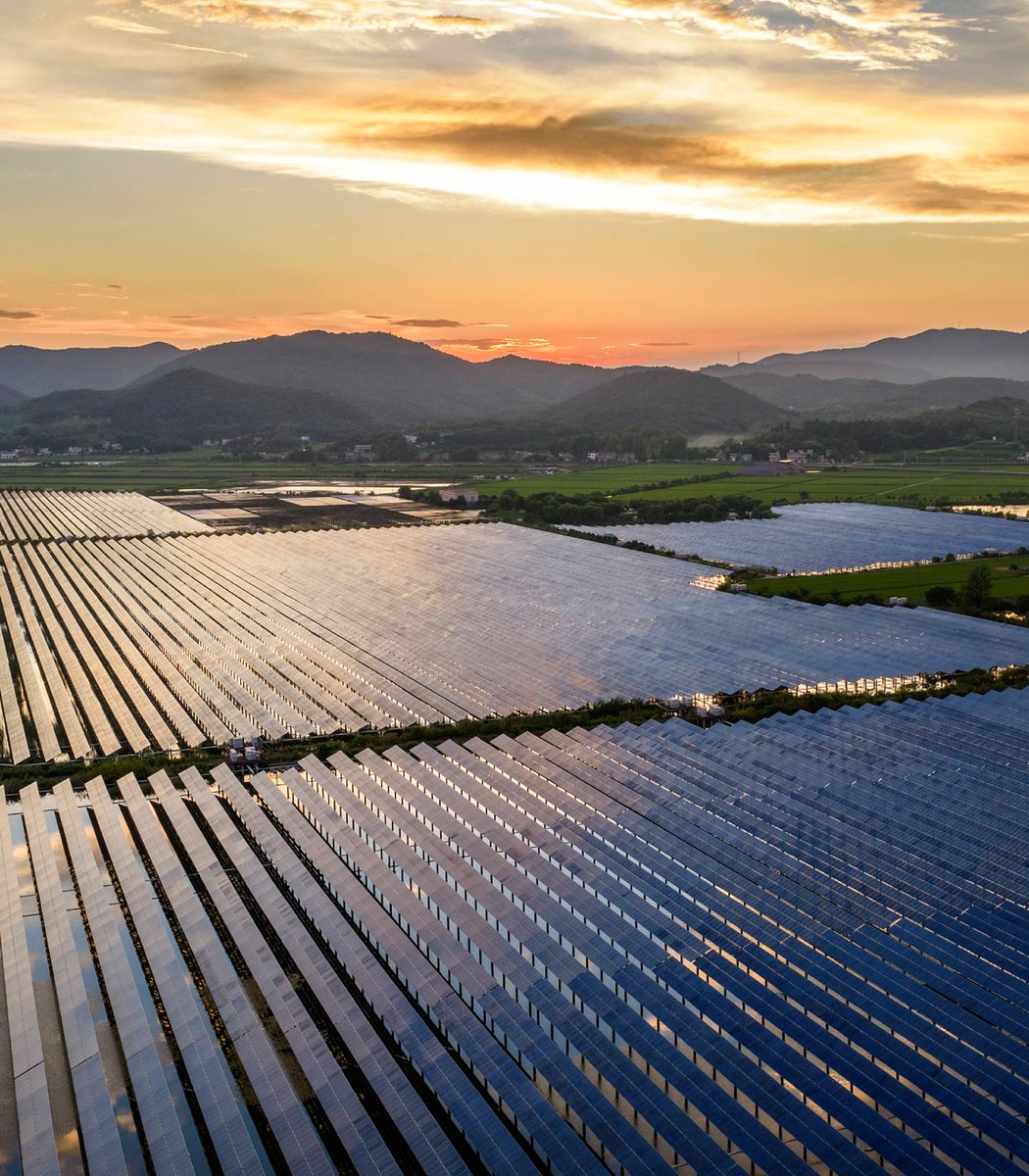
India has crossed 300 GW of non-fossil fuel electricity generation capacity and is on track to achieve its 500 GW renewable energy target by 2030. Union Minister Pralhad Joshi highlighted rapid renewable capacity additions, rooftop solar growth, and the success of the PM Surya Ghar Muft Bijli Yojana.
New Delhi. India has crossed a significant milestone in its clean energy transition, with the country’s non-fossil fuel-based electricity generation capacity surpassing 300 GW. Union Minister for New and Renewable Energy Pralhad Joshi announced that the country remains firmly on course to achieve its ambitious target of 500 GW of renewable energy capacity by 2030.
Speaking at the 7th CII International Energy Conference & Exhibition in New Delhi on Thursday, the minister highlighted the unprecedented pace of renewable energy expansion, calling it a reflection of India’s commitment to energy security, climate action, and sustainable economic growth.
30.58 GW Added in Just Six Months
According to Joshi, India added 30.58 GW of non-fossil fuel-based electricity generation capacity between January and June 2026, representing a 25% increase over the corresponding period last year.
The minister also pointed out that the country has commissioned 90 GW of renewable and non-fossil fuel capacity over the last two years, making India one of the fastest-growing clean energy markets globally.
“Our non-fossil fuel-based capacity has crossed 300 GW, and we are firmly on our path to achieve 500 GW by 2030,” Joshi said.
He urged industry leaders to increase investments in research and development (R&D) to accelerate innovation in renewable technologies and strengthen India’s clean energy ecosystem.
PM Surya Ghar Scheme Gains Momentum
Highlighting the success of the PM Surya Ghar Muft Bijli Yojana, the minister said the flagship rooftop solar programme has crossed 50 lakh beneficiary households, with nearly one lakh new households joining the scheme every six days.
The pace of rooftop solar adoption has witnessed remarkable growth. Daily installations have increased more than 3.2 times—from around 5,000 installations per day in October 2025 to over 16,328 installations per day in July 2026.
The scheme is also reducing electricity expenses for millions of families.
- 19 lakh households are now receiving zero electricity bills.
- More than 12 lakh households have earned ₹421 crore by selling surplus solar power back to the grid.
- Participating households are earning an additional average income of ₹3,500 annually through surplus electricity generation.
“Families are no longer just consumers of electricity—they are becoming producers as well,” Joshi said.
Rooftop Solar Capacity Reaches 14 GW
India’s cumulative rooftop solar generation capacity has now reached 14 GW, underlining the rapid expansion of distributed renewable energy across urban and rural households.
The government expects rooftop solar to play a crucial role in achieving India’s long-term renewable energy ambitions while reducing dependence on fossil fuels and lowering carbon emissions.
Driving India’s Green Energy Future
India has emerged as one of the world’s leading renewable energy markets, backed by strong policy support, rapid capacity addition, and large-scale investments in solar, wind, green hydrogen, battery storage, and transmission infrastructure.
Crossing the 300 GW non-fossil fuel capacity milestone marks another significant step toward the country’s goal of becoming a global clean energy leader while meeting its climate commitments under the Paris Agreement.
With accelerated deployment of renewable projects and flagship initiatives such as PM Surya Ghar Muft Bijli Yojana, India is steadily advancing toward its vision of a cleaner, more resilient, and energy-secure future.
 Energy News
  Aman
Aman